
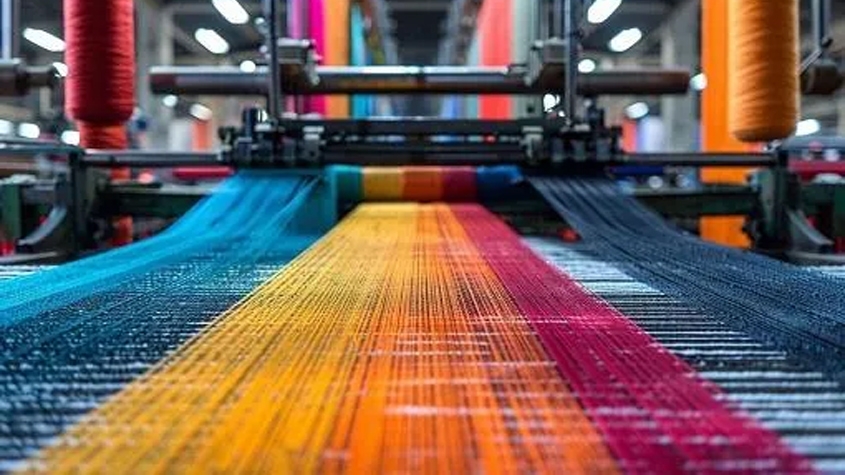
Space dyeing is a dyeing technique where multiple colors are applied along the length of yarn at fixed or random intervals before weaving or knitting.
The result is a variegated, multi-color effect that creates stripes, melange looks, or engineered patterns in the final fabric—without piece dyeing.
Common end uses:
• Socks & hosiery
• Knitwear & sweaters
• Scarves & shawls
• Upholstery & home textiles
• Fashion yarns (acrylic, wool, cotton blends, viscose, etc.)
What is a Space Dyeing Machine?
A space dyeing machine is designed to apply different dyes to specific sections of yarn in a controlled sequence, followed by fixation and drying.
The machine ensures:
• Accurate color placement
• Repeatable color length
• Uniform penetration
• High production consistency
Main Types of Space Dyeing Machines
1. Spray Space Dyeing Machine
How it works
• Yarn passes through spray nozzles
• Different colors are sprayed at set intervals
• Followed by steaming and drying
Key features
• Sharp color separation
• Flexible color repeat length
• Good for short runs & fashion effects
Best suited for
• Acrylic yarns
• Wool & blends
• High-fashion knitwear
2. Pad / Roller Space Dyeing Machine
How it works
• Yarn passes over color-applied rollers or pads
• Each roller applies a different dye segment
• Dye fixation through steam or heat
Key features
• Strong color penetration
• More uniform shades
• Better for heavier yarns
Best suited for
• Cotton
• Viscose
• Cellulosic blends
3. Sliver Space Dyeing Machine
How it works
• Dyeing is done at the sliver stage (before spinning)
• Colored slivers are later spun into yarn
Key features
• Softer, blended color effect
• Less sharp boundaries
• Premium melange look
Best suited for
• Wool
• Acrylic
• Fancy yarns
Key Components of a Space Dyeing Machine
• Yarn feeding system (tension controlled)
• Color application unit (spray / pad / roller)
• Steam chamber (for dye fixation)
• Dryer (hot air or IR)
• Take-up system (precision winding)
• PLC / digital control panel (pattern & repeat control)
Important Parameters to Control
• Color repeat length
• Yarn speed
• Dye viscosity & pickup
• Steaming temperature & time
• Yarn tension
• Shade overlap or gap control
Advantages of Space Dyeing
• No need for fabric printing
• Unique, high-value aesthetics
• Lower water usage vs piece dyeing
• Small batch friendly
• Excellent design flexibility
Limitations
• Shade matching is complex
• Higher skill requirement
• Not ideal for ultra-basic fabrics
• Slight variation is inherent (design feature)
Why Brands & Mills Use Space Dyeing
• To create distinctive yarns
• To reduce post-fabric processing
• To offer value-added fabrics
• To meet fashion & seasonal demands quickly
♦ References
https://B2n.ir/nassajyar01993
.
- ۰۴/۱۱/۱۴